The Hidden Architecture of Digital Civilization
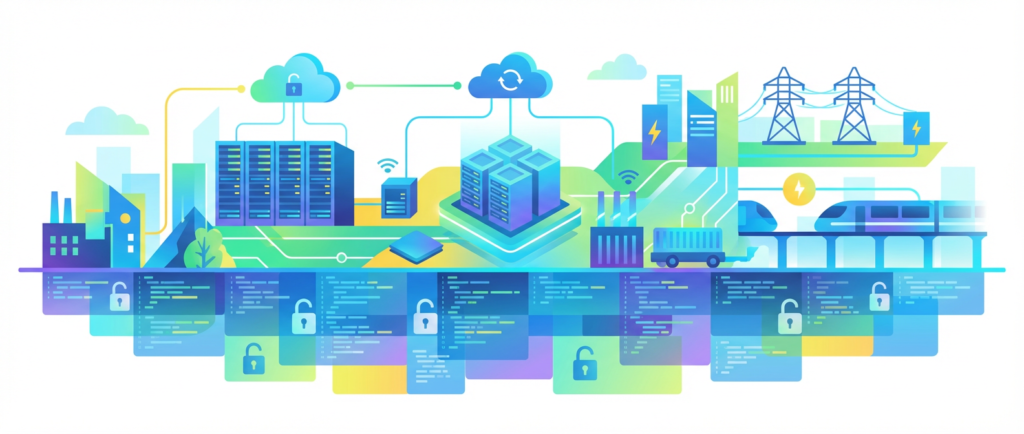
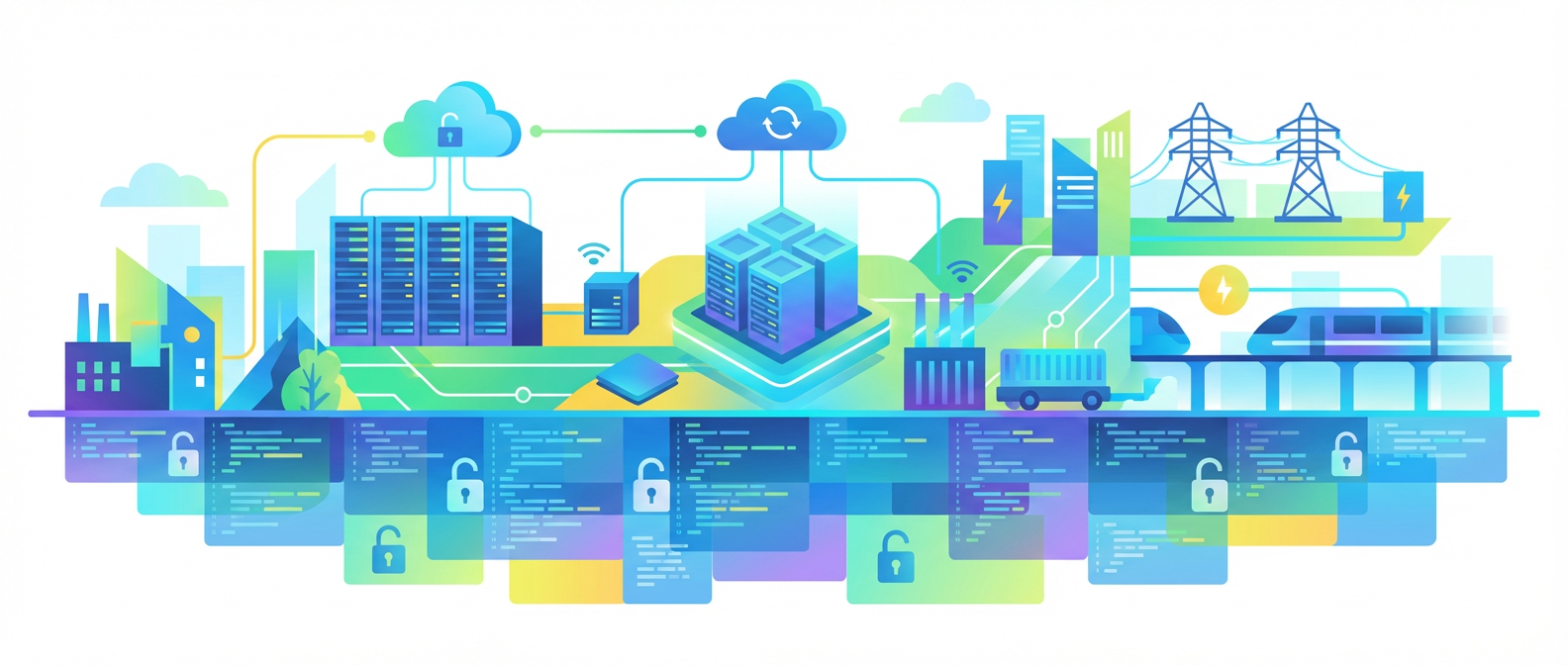
Every time you stream a video, make an online purchase, or send a message through your favorite app, you’re relying on a complex network of software that most people never see or think about. This hidden layer of digital infrastructure is the foundation our connected world runs on, and it’s built almost entirely on open source software. Unlike the polished consumer apps that capture headlines and venture capital, these basic building blocks operate in the shadows. They’re maintained by communities of developers who often get little recognition for their work that keeps everything running.
The numbers tell a story about this invisible dependency that honestly surprised me when I first learned about it. Linux operating systems power more than 96 percent of the world’s top one million web servers. That’s not just market dominance, that’s complete reliance. From tiny startups to massive corporations, everyone depends on this freely available operating system to run their digital operations.
Open source reaches well beyond operating systems into every layer of the technology stack. Web servers like Apache and Nginx handle the billions of requests flowing across the internet each day. Databases like PostgreSQL store and manage the data that drives enterprise applications worth hundreds of billions of dollars in annual revenue. These projects represent decades of collaborative development, refined through countless iterations and stress-tested by deployment at massive scale across every use case you can imagine.
The Sustainability Crisis Behind Digital Success
Here’s where things get concerning. Many open source projects face a troubling sustainability crisis that threatens the very infrastructure our digital economy depends on. The traditional model of volunteer-driven development, while philosophically appealing and historically successful, has begun showing serious strain under modern technology demands. Maintainers of important projects often find themselves overwhelmed by security patches, feature requests, and the constant pressure to keep pace with rapidly changing technology.
This sustainability challenge has created what many developers describe as open source burnout. Key contributors step away from projects because the workload becomes unsustainable and they’re not getting paid for their efforts. The Open Source Initiative and other advocacy organizations have documented numerous cases where important infrastructure projects have been abandoned or significantly delayed because maintainers are exhausted. When a single developer maintaining a widely-used library decides to step away, the ripple effects can impact thousands of dependent projects and millions of users.
Major technology corporations have started implementing comprehensive open source sustainability programs because they recognize this threat to their own operations. These initiatives go beyond simple code contributions to include direct funding, dedicated engineering resources, and long-term support commitments for important projects. The shift represents a basic acknowledgment that the health of open source ecosystems directly impacts business continuity and competitive advantage across virtually every technology sector.
Corporate Investment and Platform Innovation
The response from industry leaders has been both swift and substantial, reflecting the urgent need to address sustainability concerns before they impact infrastructure everyone relies on. GitHub Open Source sponsors program exemplifies this new approach to sustainable funding, having distributed over $30 million directly to project maintainers and contributors. This isn’t charity or corporate social responsibility. It’s a strategic investment in the foundation of modern software development.
Beyond financial contributions, many organizations have established dedicated open source program offices that coordinate contributions, manage dependencies, and ensure that internal development practices align with community standards. These programs typically include policies for upstream contribution, security vulnerability management, and strategic planning around dependencies. The goal extends beyond immediate business needs to encompass long-term ecosystem health and resilience.
The evolution of funding models has also introduced innovative approaches like bug bounty programs specifically for open source projects, corporate-sponsored hackathons focused on infrastructure improvements, and fellowship programs that provide full-time compensation for key maintainers. These mechanisms create sustainable career paths for open source contributors while ensuring that important projects receive the attention and resources they require for continued development and security maintenance.
Regulatory Pressure and Liability Frameworks
As open source software has become increasingly central to infrastructure, regulatory bodies have begun developing frameworks that address security, liability, and compliance requirements. The European Union’s Cyber Resilience Act represents a significant shift in how governments approach software liability, potentially placing new legal obligations on open source project maintainers and distributors. These regulations aim to improve overall software security but raise complex questions about responsibility and liability in collaborative development models.
The regulatory landscape creates both challenges and opportunities for the open source community. While compliance requirements may impose additional burdens on maintainers, they also provide justification for increased corporate investment in project sustainability and security. Organizations that depend on open source software are increasingly recognizing that regulatory compliance requires active participation in the communities that develop and maintain their dependencies.
This regulatory pressure has accelerated the adoption of software bill of materials practices, vulnerability disclosure protocols, and security-focused development practices across the open source ecosystem. Projects that once operated with informal governance structures are implementing more rigorous security practices, documentation standards, and release management processes to meet evolving compliance requirements while maintaining the collaborative spirit that drives innovation.
Technical Evolution and Memory Safety
Perhaps nowhere is the intersection of sustainability, security, and innovation more visible than in the ongoing adoption of memory-safe programming languages like Rust in traditionally C-dominated domains. The Linux kernel, long considered the ultimate bastion of C programming, has begun incorporating Rust components for new development, particularly in areas where memory safety is important. This represents more than a technical preference. It reflects a fundamental shift toward preventing entire classes of security vulnerabilities at the language level.
Major cloud providers have embraced this transition with Amazon Web Services leading significant initiatives to replace C components with Rust implementations in performance-critical systems. The motivation extends beyond theoretical security improvements to encompass practical considerations around maintenance burden, debugging complexity, and long-term sustainability. Memory safety issues represent a significant portion of security vulnerabilities in systems software, making language-level prevention an attractive solution for organizations managing large-scale infrastructure.
This technical evolution demonstrates how open source communities continuously adapt to address emerging challenges while maintaining backward compatibility and stability requirements. The careful integration of new technologies like Rust into established ecosystems exemplifies the methodical approach that characterizes successful open source development, where innovation must be balanced against the needs of existing users and the constraints of production environments.
The future of open source infrastructure depends on our collective ability to recognize and support the invisible foundation that enables our digital civilization. Understanding these dynamics provides important context for anyone seeking to build sustainable technology systems or contribute meaningfully to the ongoing evolution of our shared digital infrastructure.